
Before the bell: United States strikes Iran

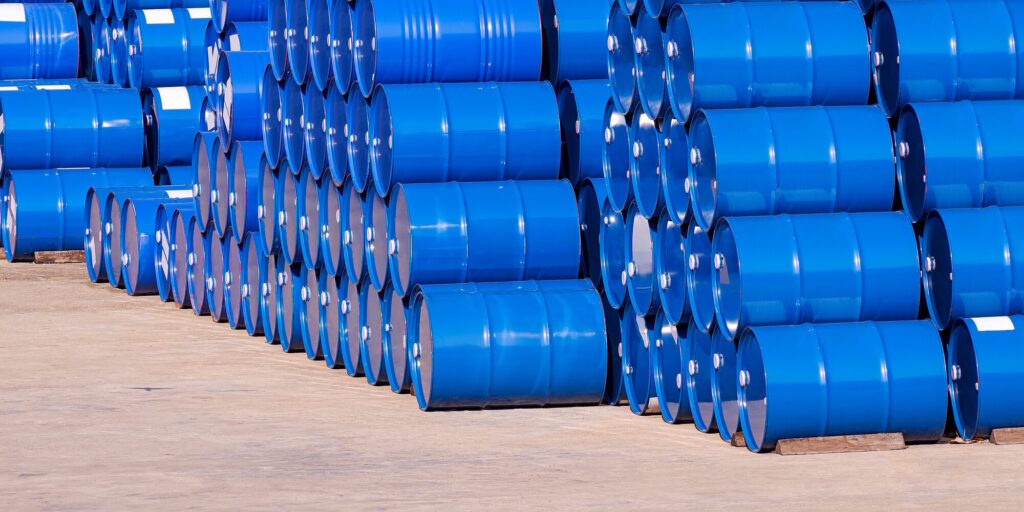
With the United States attacking Iran, the Middle East is now on its highest state of alert. Oil prices are rising this morning, which should benefit companies like Shell and Occidental Petroleum.
The conflict between Iran and Israel appears to be taking on a more international dimension. Over the weekend, the United States carried out its first strikes on three nuclear sites in Iran, using so-called “bunker buster” bombs weighing fifteen thousand kilograms. This morning, the price of WTI crude oil is up slightly by 1% in Asian trading, while S&P 500 futures are trending downward, and Euro Stoxx 50 futures point to a 0.5% drop at the open. Markets are giving little weight to the Iranian parliament’s vote to close the Strait of Hormuz to oil shipping (source: Politico). The final decision lies with Supreme Leader Ali Khamenei, and markets assume he won’t follow through. If he does, and oil prices surge significantly, it could push inflation expectations higher—prompting central banks around the world to pause or delay further interest rate cuts. For companies like Shell and Occidental Petroleum, however, higher oil prices could be a blessing.
The key question today is whether macroeconomic data will have any meaningful impact, or whether the military escalation in Iran will dominate markets. In the United States, the IPO of Jefferson Capital is scheduled for today. The company specializes in buying distressed debt at a discount and collecting on it. It will list on the Nasdaq under the ticker JCAP. In Belgium’s financial paper De Tijd, Sofina, DEME, and D’Ieteren were tipped as top stock picks for the second half of the year. Also today: data provider FactSet will publish its earnings, while pharma firm Hyloris is investing two million dollars into research targeting African sleeping sickness. Meanwhile, Galapagos has appointed Aaron Cox as its new Chief Financial Officer.
When the cannons roar…
Should investors worry about the US strike on Iran and start buying oil stocks like Shell and Occidental Petroleum? At Spaarvarkens, we take a more nuanced view. Those who keep a cool head will realise that the biggest economic impact comes primarily from potentially higher oil prices, and even that impact is relatively limited. A higher oil price might cause inflation to tick up, which in turn could delay interest rate cuts in the United States. But beyond that and some increased energy costs, the broader effect on businesses remains minor. We wouldn’t be surprised if a possible panic reaction is quickly absorbed by the market. Don’t forget: the Middle East has a steadily declining influence on global oil prices. Why we’re not panicking over rising oil prices is something you can read in tonight’s Na de Bel on Spaarvarkens.be.
Self-driving taxis move closer
If there’s one person who could help the West become less dependent on oil, it’s Elon Musk. This past Sunday, Tesla launched its first RoboTaxi in Austin, Texas. In the long term, this could be a major blow for countries like Qatar, Kuwait, and the United Arab Emirates, given that around two-thirds of US oil consumption still comes from the transport sector. Back in 2022, the transport sector consumed 13.6 million barrels per day to keep things moving. As electric vehicles gain traction, oil demand should fall. Surprisingly, there are only four million electric cars on American roads today—just 1.4% of the total car fleet. In Belgium, the situation is very different. According to the FEBIAC car federation, 28.5% of new cars registered in 2024 were fully electric.
If the United States starts following that trend, there’s a lot of room to reduce oil dependence—but that may be wishful thinking. An American friend of mine, currently renting part of my apartment in Bansko, Bulgaria, pointed out the cultural gap between Europe and the United States when it comes to cars. On one hand, Americans are often poorer than we assume, making electric cars unaffordable without subsidies. On the other, they still love fossil fuel-powered vehicles. And subsidies for electric vehicles are under political scrutiny in the US. Additionally, Elon Musk himself may have alienated potential buyers who do care about the environment. My friend believes more in the Toyota Prius, a hybrid car that’s currently one of the best-selling models in the United States. So yes, the US will continue its shift to electrification—but at a much slower pace than Europe. That’s ultimately good news for the Middle East.
Did you know…
The Dow Jones Industrial Average is the oldest stock index in the United States? It was created in 1896 by Charles Dow and Edward Jones to track a basket of 12 industrial stocks. Today, we know it simply as the Dow Jones Index.
Responses