
Before the bell: Europe and Asia Up, U.S. Takes the Hit

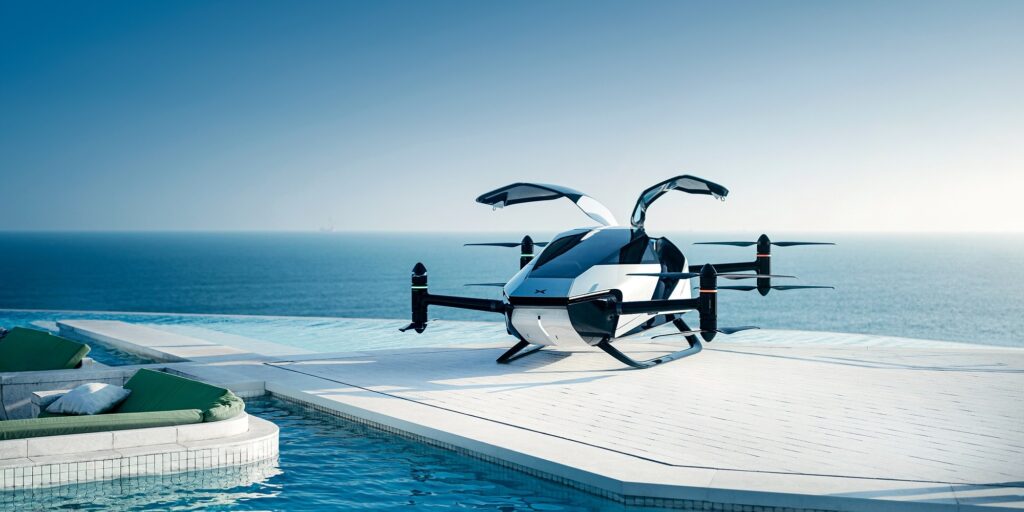
Flying cars, industrial robots, and 24/7 trading on the Nasdaq by 2026.
European and Asian investors fared better last week than their American counterparts. Those who invested in Hong Kong had an even bigger advantage. The Hang Seng Index surged 5.6% last week and has already gained an impressive 21% since the beginning of the year. The Euro Stoxx 50 remained unchanged, while the Bel 20 climbed 1.1% over five days. Grid operator Elia (+17.7%) delivered strong results on Friday. Meanwhile, across the Atlantic, the S&P 500 (-3.1%) and the Nasdaq (-3.5%) suffered heavy losses last week. Investors are clearly unhappy with Donald Trump’s policies. The tech-heavy Nasdaq, having dropped nearly 10% since its peak, has almost erased all its gains since Trump’s election. This week, CEOs from tech giants like IBM, Intel, Qualcomm, and HP are heading to the White House to voice their concerns about Trump’s trade tariffs. It will be interesting to see what comes of it.
This morning in Asia, the Topix in Tokyo is down 0.2%, while the Hang Seng Index (-1.2%) in Hong Kong takes a breather. Today, Asian conglomerate Jardine Matheson will release its earnings report. This evening, Belgium’s D’Ieteren Group will publish its results, while in the U.S., software company Oracle will open its books. On the macroeconomic front, Germany will release its trade balance and industrial production data for January.
Closing the Gap
American clothing brand Gap Inc. reported fourth-quarter revenue of 4.1 billion dollar and earnings of 0.54 dollar per share. Analysts had only expected earnings of 0.36 dollar per share. Comparable store sales increased by 3% year-over-year. CEO Richard Dickson’s strategy to streamline the company and get it back on track appears to be paying off. Meanwhile, Gap’s brands—Gap, Old Navy, and Banana Republic—are regaining popularity among consumers. While other retailers are struggling, Gap seems to be gaining market share. The stock soared 18.8% on Friday as a result.
Flying Cars and Robots
This morning, Xpeng Inc. shares jumped 7% on the Hong Kong stock exchange. The electric vehicle maker announced that it aims to begin mass production of flying cars and industrial robots by 2026. However, the company cautioned that it will take some time before these products translate into profits. In January, Xpeng showcased a prototype of its flying car, the Xpeng X2, at an auto show in Belgium. In Dubai, the company also conducted a public 90-minute test flight with the vehicle. Those hoping to bypass traffic jams will have to wait a little longer, as the flying car is not yet available for purchase. However, Xpeng is already selling three electric car models in Europe—the G6, G7, and G9—whose rising sales have more than doubled the company’s stock price over the past year.
Did You Know…
that the chairman of the Nasdaq has proposed allowing 24-hour trading on the exchange? The plan is currently under review by regulators. If approved, the Nasdaq could remain open around the clock starting in mid-2026, aiming to boost international trading. However, this might lead to some sleepless nights for certain investors.
This article was translated from Dutch and was originally published on Spaarvarkens.be.
Responses