
Before the bell: euro under pressure

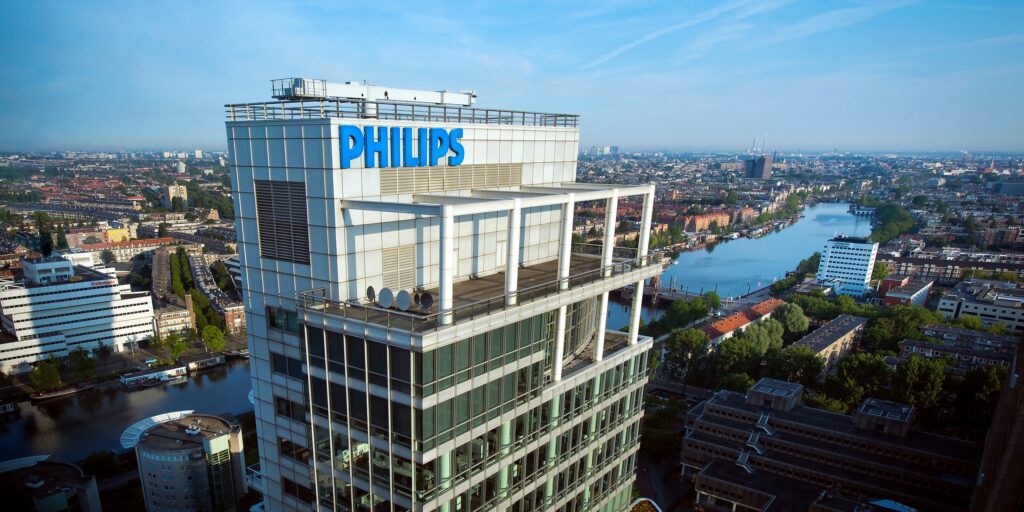
Trade deal and tariffs disappoint, though Philips surprises positively. Samsung and Tesla join forces, and Alibaba unveils smart glasses.
At the start of the trading day, European investors were relieved by the announcement of a trade deal between the European Union and the United States. But by the evening, that relief had largely faded. The average European stock fell by 0.3%, and the euro lost 1% against the dollar. France and Germany are unhappy with the deal and its potential economic consequences for Europe. Still, most agree that this might be the best outcome possible—for now—in negotiations with Donald Trump. On the other side of the Atlantic, things remained quiet. The S&P 500 closed flat, while the Nasdaq gained 0.3%.
Asian markets opened on a sour note this morning. Both Hong Kong and Japan saw their indices drop by 1%. It’s shaping up to be a busy day for earnings. In Paris, Kering and L’Oréal report their results. Over in Eindhoven, Philips raised its profit guidance. The company now expects a maximum tariff impact of 200 million euro, down from a previous estimate of 300 million euro. In London, AstraZeneca and Barclays open their books. Spotify reports in Stockholm, while in the United States, we’ll get earnings from Boeing, PayPal, UPS, Procter & Gamble, and UnitedHealth Group before the bell, and Visa, Starbucks, and Booking Holdings after hours.
Brilliant
Alibaba has unveiled its first line of smart glasses, called Quark AI. Powered by its Qwen language model and the Quark AI assistant, the glasses enable users to make hands-free calls, translate conversations in real time, stream music, and even transcribe meetings. The smart glasses will first be made available to Chinese consumers later this year. That smart glasses are trending was also evident from Meta’s recent investment of 3 billion euro in EssilorLuxottica, the company behind the Meta AI glasses sold under the Ray-Ban and Oakley brands.
Crushed by commodity prices
You might think American steel and aluminum companies are enjoying boom times. After all, in March, their foreign competitors were slapped with import tariffs of 25%, later raised to 50% in early June. But the results of Nucor, a major US steel producer, tell a different story. Revenue rose 4.7% to 8.5 billion dollar, but earnings per share fell 3% to 2.60 dollar. According to the company, higher commodity prices are to blame. Nucor also expects profit in its steel division to decline in the current quarter. The stock dropped 5.8% in after-hours trading on the New York Stock Exchange.
Did you know…
that China will pay child benefits for the first time? Families will receive around 430 euro per year for each child under the age of three. The initiative aims to boost the country’s birth rate and strengthen purchasing power among young families.
This article was translated from Dutch and was originally published on Spaarvarkens.be.
Responses