
Before the bell: Alibaba punished

The airline sector is recovering, helped by the decline in oil prices. In Germany, investors are welcoming the stock market listing of a company specialising in energy systems for military platforms.
Wall Street opened Thursday down 0.9%, but by the close the loss had narrowed to 0.3%. Rivian (+3.8%) benefited from a large order from Uber (-1.7%). Boeing (-2.3%) is still facing turbulence, while customers United Airlines (+1.8%) and Delta Air Lines (+1.9%) continue to recover. On a weekly basis, those two airlines have already gained 8.1% and 11.8% respectively. European peer Wizz Air still has some catching up to do, as its share fell as much as 6.1% on Thursday. Yesterday, a barrel of North Sea crude still cost 118 dollar; this morning the price has dropped to 107 dollar. We therefore expect European airline stocks to recover. European markets had a weak day in any case, still digesting the losses recorded on Wall Street on Wednesday. On average, shares of major European listed companies fell 2.1% yesterday. In Frankfurt, losses reached 2.8%, with Vonovia (-12.1%) as the main negative outlier. The management of Germany’s largest real estate group had nevertheless announced solid results and outlook. In Brussels, losses ranged from 1% (UCB) to 7.4% (Umicore).
Today, the sun stands directly above the equator. In Japan, the spring equinox is a public holiday, and markets are closed. In Hong Kong, however, the exchange is open. After a brief recovery, the market is again down 0.6%. Investors are unimpressed by the results published by Alibaba (-6.1%). Car manufacturers Geely (+6.9%), Li Auto (+1.6%) and BYD (+1.6%) are trading higher. Today, after the close, Moury Construct will publish its results. British pub chain JD Wetherspoon announced a decline in profits this morning. In Frankfurt, trading begins today for Vincorion, a supplier to the defence sector.
You shall not export American technology to China
The co-founder of a US technology company has been charged with exporting Nvidia chips intended for AI to China. Yih-Shyan Liaw and several colleagues from Super Micro Computer (+1.5%) allegedly sold semiconductors worth 2.5 billion dollar to customers in China, transactions that would violate strict US export regulations. Liaw was arrested yesterday in California and released on bail. Super Micro Computer is not named in the indictment and has stated that the employees involved have been suspended. The company is also cooperating with the investigation. The message is clear: the United States does not want to lose its technological edge. But is that edge still as large as it once was? And can China’s rise really be stopped? It all reminds me somewhat of the British ban on exporting modern weaving machines to mainland Europe in the late eighteenth century. Lieven Bauwens circumvented that ban. He was not arrested. He received a statue.
100 billion dollar in AI revenue
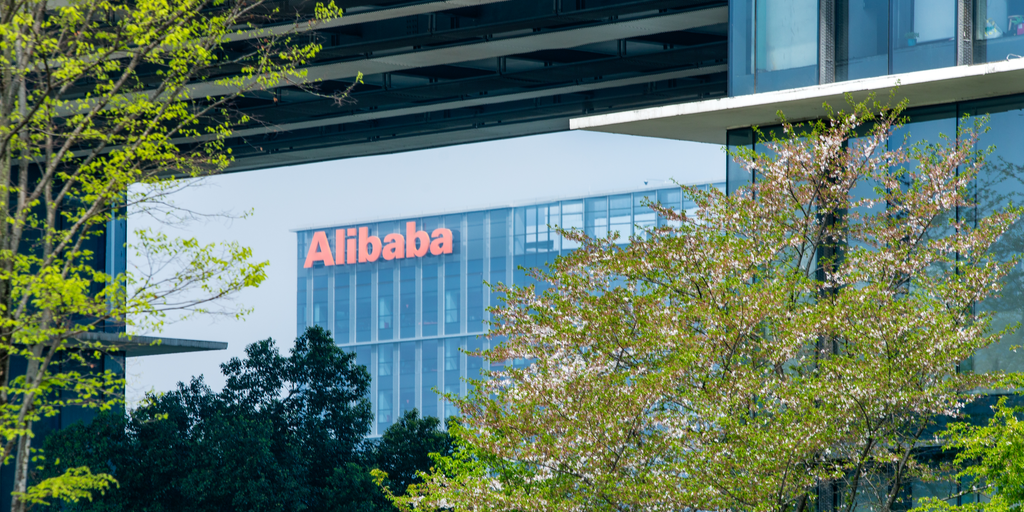
Like Tencent a day earlier, Alibaba also declined after publishing its results. Yet the company’s management announced that it expects to generate 100 billion dollar in artificial intelligence revenue within five years. “Perhaps,” investors seem to think, “but that will initially require significant spending. Whether it will ultimately generate that much return remains uncertain.” Heavy investments in AI were also cited by management as the reason for the decline in quarterly profit, which fell by as much as two thirds, from 48.9 billion yuan to 16.3 billion yuan, mainly due to rising marketing and sales expenses. Cloud revenue, on the other hand, increased by 36%, and that is where Alibaba intends to keep its focus.
Did you know…
that US lawmakers have urged the stock market regulator SEC to restrict Chinese companies’ access to US capital markets? Both Republicans and Democrats are calling for such measures due to national security risks and to protect investors.
This article was translated from Dutch and was originally published on Spaarvarkens.be.
Responses